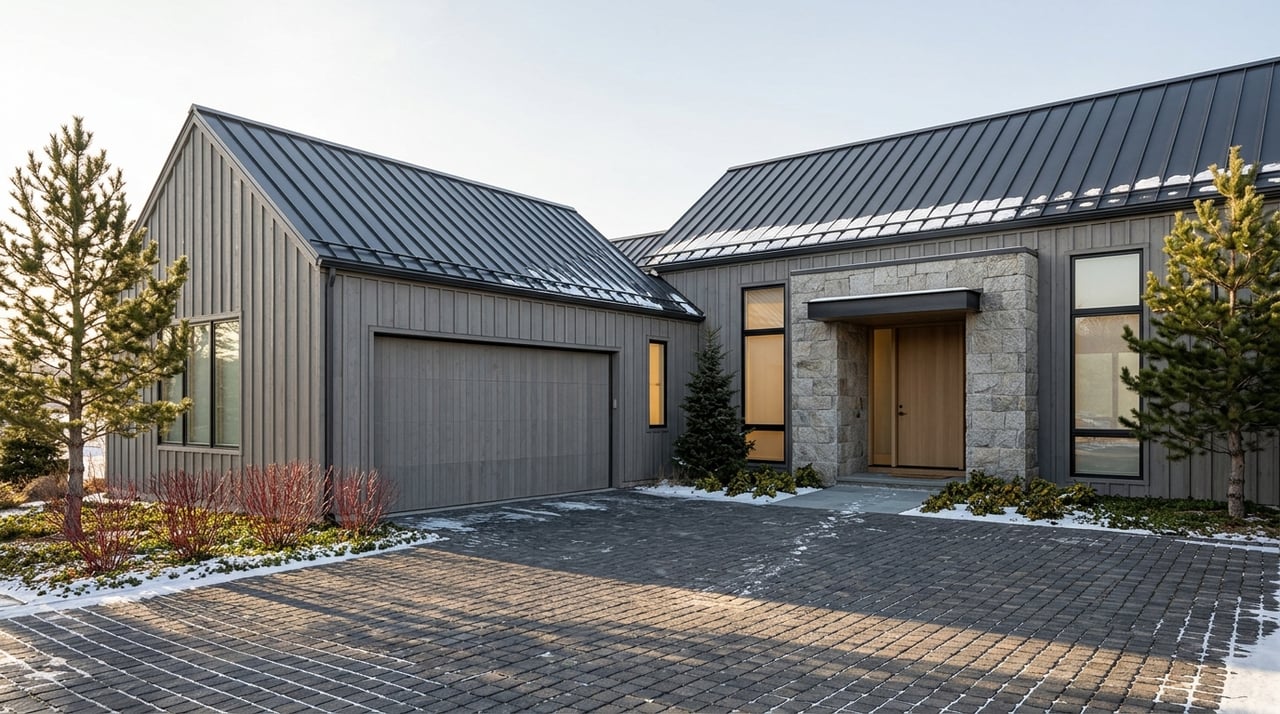
Buying In Jackson Hole From Out Of State
May 28, 2026
May 28, 2026
Buying in Jackson Hole while living somewhere else can feel exciting and complicated at the same time. You may be juggling travel, weather, time zones, financing, and a market where a missed detail can affect how smoothly your purchase comes together. The good news is that with the right local guidance and a clear plan, you can buy remotely with confidence. Let’s dive in.
If you are purchasing in Jackson or greater Teton County from another state, Wyoming gives you tools that make a remote transaction possible. The state recognizes electronic documents, electronic signatures, and electronic notarization for recording purposes, and Teton County stores recorded documents electronically with public records available for county records since 2006.
Wyoming also allows remote ink notarization and remote online notarization in qualifying situations. That means many buyers can complete major steps without being physically present, as long as the lender, title company, and notary support the process.
This matters even more in Jackson Hole because winter conditions can affect access and timing. Teton County posts winter weather, road conditions, avalanche information, and winter operations updates, which is one reason remote showings, flexible scheduling, and a strong local point person are so valuable.
Out-of-state buyers usually do best when they treat the purchase like a coordinated project, not just a home search. In Jackson Hole, that is especially important because weather, travel windows, and property-specific due diligence can all affect timing.
A simple plan helps you stay organized. It also helps you make smart decisions whether you are buying a second home, a golf property, or a vacant lot.
Before you write an offer, make sure the key people in your transaction are aligned. That usually includes your real estate advisor, lender, title company, and notary.
If you are buying from another time zone, early coordination matters. The lender must deliver the Closing Disclosure at least three business days before closing, so it helps to know in advance who is preparing documents, who is signing where, and how the final package will move.
A live video tour can do more than show finishes and views. It can also help you assess layout, natural light, access, surrounding conditions, and details that matter when you cannot walk the property in person.
In a place like Jackson Hole, video tours are also practical because weather can disrupt travel. If roads are affected by winter conditions or your schedule shifts, you can still keep momentum while staying closely connected to the property search.
Remote transactions tend to run more smoothly when each step is handled in order. While every deal is different, the typical path is straightforward when you have local guidance.
This workflow fits well with Wyoming’s electronic signing and notarization framework. It also gives you enough time to handle lender requirements and final document review without feeling rushed.
The Closing Disclosure is the official final loan summary. It outlines your loan terms, projected monthly payment, and closing costs, and your lender must provide it at least three business days before closing.
If you are buying from out of state, that review window is important. Ask for the final closing packet as early as possible and compare it to your Loan Estimate and contract terms before you sign.
If something looks different, raise the question right away. It is much easier to fix an issue before the signing window closes.
A remote purchase is not just about signing from afar. It is also about understanding the local rules and costs that can affect how you use the property after closing.
In Teton County, residential property is assessed at 9.5% of fair market value. The county also notes an average mill levy of about 57 mills, and the actual tax bill is mailed in September after the levy is finalized.
That means your property tax picture may look different from what you are used to in another state. It is smart to review estimated taxes early and understand that county valuation includes normal onsite inspections as part of the assessment process.
Teton County offers a homeowner exemption for owner-occupied primary residences, but there are clear rules. The owner must occupy the residence for at least 8 months of the year and file by March 1.
For many second-home buyers in Jackson Hole, that means the exemption may not apply. If you are purchasing a seasonal property, build that expectation into your budget from the beginning.
If rental income is part of your plan, check the parcel’s eligibility before closing. In Teton County, residential units generally may not be rented for fewer than 31 days unless the property is in an approved short-term-rental development.
That detail can significantly affect how you use a second home. The county lists approved developments, and Snake River Sporting Club Resort Area II and III are among those identified, but you should still verify the specific parcel rather than rely on assumptions.
Jackson Hole land can offer incredible long-term potential, but vacant land requires more investigation than an existing home. If you are buying a lot from out of state, it helps to approach it with a development mindset from day one.
If the property will use a driveway off a county road, Teton County requires a road access permit. That is a key step for buyers who are evaluating whether a parcel is truly ready for future use.
As of May 1, 2025, the county also requires a Natural Resource Assessment before any physical development permit or new use in the county. For remote buyers, this is one more reason to line up local expertise early.
Teton County states that all utilities must be installed underground. The county also maintains wetland and stream buffer rules that keep development, including sewage or water-supply facilities, out of protected areas.
Those rules can shape where and how a home can be built. A parcel may look straightforward online, but site constraints can change the practical building envelope.
Rural and vacant lots may require additional review related to wastewater and water quality. Teton County Environmental Health offers drinking-water tests and radon test kits, and its septic guidance notes that profile holes and or percolation tests may be required on a case-by-case basis.
For buyers comparing multiple lots, these details can have a real impact on timeline, cost, and build planning. Remote buyers should make sure those questions are answered before they assume a lot is build-ready.
Land due diligence can be harder in winter. Roads may close, access may be limited, and contractor schedules can be affected by snow management and seasonal conditions.
If you are evaluating acreage or a homesite during winter, give yourself extra time. A local advisor can help you avoid making assumptions based on a quick online impression.
Some Jackson Hole purchases involve buyers, sellers, or signers who are outside the United States. Wyoming’s remote notarization law allows certain remote notarizations for a principal outside the U.S. when statutory conditions are met, which can support cross-border closings when the lender and title company approve the process.
If you are buying from or from a foreign seller, tax documentation may also matter. The IRS says foreign sellers of U.S. real property interests may need taxpayer identification numbers in FIRPTA contexts, and buyers may have withholding responsibilities when purchasing from a foreign person.
No matter where you are located, wire-fraud prevention is essential. Wire instructions are a common scam target, so always confirm instructions carefully before sending funds.
A remote purchase in Jackson Hole works best when you keep the process simple and stay focused on the local details that matter most. That means planning around weather, verifying rental and tax questions early, and giving land purchases the extra diligence they deserve.
It also helps to work with an advisor who understands both the Jackson Hole lifestyle and the mechanics behind a smooth transaction. If you are considering a second home, a golf-community property, or a high-value lot in Jackson Hole, Sherry Messina can help you navigate the process with local insight, clear communication, and boutique-level guidance.
Trust her to guide you through Jackson Hole’s luxury real estate with expert insight, bold negotiation, and unmatched dedication. With her at your side, your buying or selling journey becomes strategic, seamless, and rewarding.