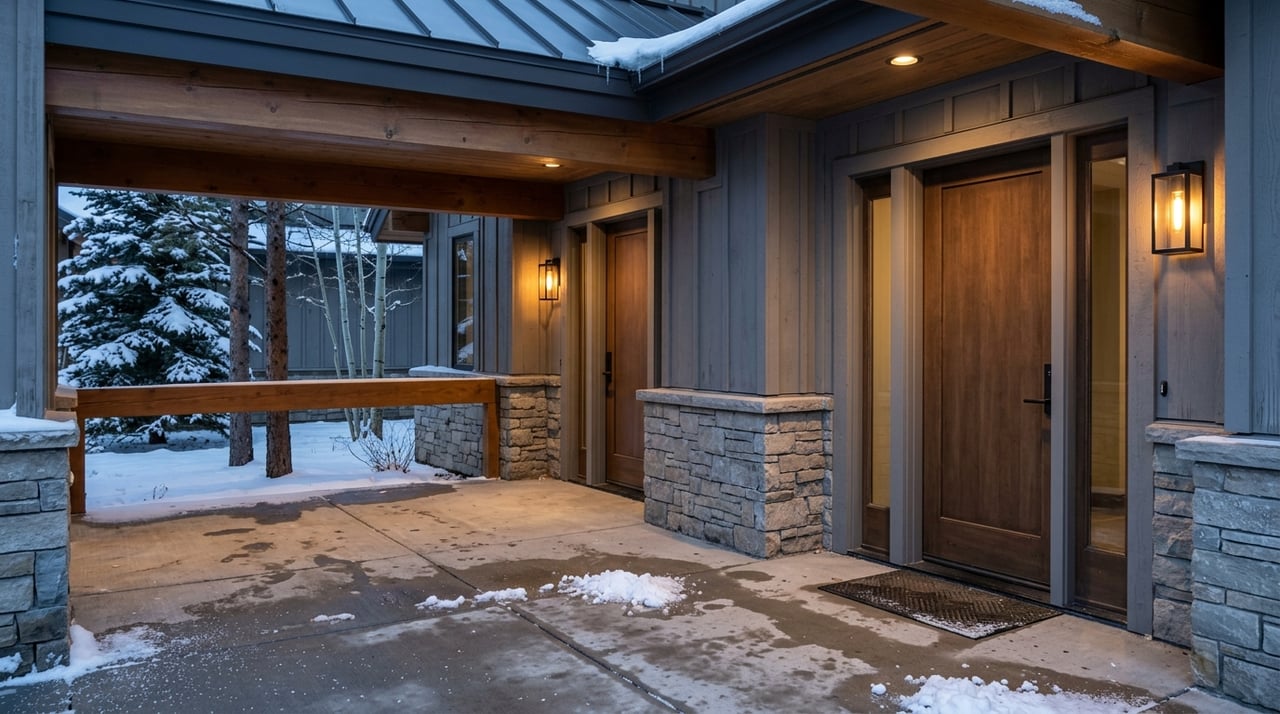
Teton Village Vacation Home Options: What to Consider
July 2, 2026
July 2, 2026
Looking at a vacation home in Teton Village? It is easy to focus on ski access, views, and amenities, but the ownership structure can shape your experience just as much as the location itself. If you are hoping to balance personal use, rental flexibility, and long-term value, understanding the differences upfront can save you time and help you buy with confidence. Let’s dive in.
Teton Village sits at the base of Jackson Hole Mountain Resort, so many buyers assume every property works the same way as a resort rental. In practice, ownership options vary quite a bit from one project to another.
In Teton County, a residential unit generally cannot be rented for fewer than 31 days unless it is in a specifically approved short-term-rental development. The county identifies Teton Village Area I and Area II as approved areas, which is why confirming the exact project matters more than relying on the broader Teton Village name.
That local rule alone can change how you evaluate a property. If nightly rental income is part of your plan, you will want to verify the unit’s legal use, county approval, and project documents before moving forward.
Traditional condos are often the most familiar path for second-home buyers. You own your individual unit plus an undivided interest in the common areas, and you agree to follow the homeowners association rules for the project.
In Teton Village, the real question is not simply whether a property is a condo. The better question is what the plat, CCRs, and county approvals allow for that specific building or development.
Some condo projects in Teton Village can be rented short-term, while others cannot. County materials also describe at least one Teton Village condominium project that may be used either as short-term lodging or as owner-occupied residential use, which shows how project-specific these rights can be.
For many buyers, condos offer a straightforward ownership model with deeded real estate. If the project allows short-term rentals, you may gain useful flexibility between personal enjoyment and income potential.
This format is also common across the broader Jackson Hole resort market. Condo and townhome inventory is a familiar part of the lodging and second-home landscape in and around Teton Village.
Condo ownership also comes with ongoing shared costs. HOA dues are usually separate from your mortgage payment, and they can be significant depending on the project and level of service.
Financing can be more layered as well. Lenders often review not only your qualifications, but also the condo project’s budget, financial statements, and reserve studies.
Some Teton Village properties blend private ownership with a hotel-style setting. These condo-hotel or hotel-condominium hybrids often appeal to buyers who want resort convenience and a more turnkey experience.
Snake River Lodge & Spa is a clear local example of this type of property, describing both hotel guest rooms and condominium suites. Amenity packages in this category can include features such as pools, spa services, ski valet, dining, and meeting space.
Teton Mountain Lodge & Spa and Hotel Terra also reflect the broader service-rich environment many buyers associate with Teton Village. Even when legal ownership structures differ by project, buyer expectations often center on convenience, service, and easy access to the mountain.
If you want a true lock-and-leave property, hotel-style ownership can be very appealing. Resort services can reduce the amount of day-to-day coordination that falls on you, especially if you are using the home seasonally.
This type of ownership can also fit buyers who prioritize experience and ease over maximum control. For some, that tradeoff is well worth it.
The term condo-hotel sounds simple, but it is not one single legal category. The details depend on the project’s governing documents, management structure, and county approvals.
That matters for both use and financing. Lenders may closely review project eligibility, reserves, and risk profile, which can make financing more selective than it is for a standard home purchase.
Whole-ownership residences are typically the clearest option if you want to own a Teton Village property much like a traditional second home. In the luxury segment, this model often pairs full title ownership with a high level of resort support.
Four Seasons Private Residences Jackson Hole is a useful example of this category. The property describes ski-in/ski-out access, an outdoor pool, spa, gym, and owner support while you are away, all within a fully owned private residence format.
This option is often the most intuitive for buyers who want a true second home rather than a shared-use arrangement. You get the simplicity of full ownership with the benefit of a professionally managed resort environment.
For lifestyle-driven buyers, that can be a strong combination. You can enjoy Teton Village on your terms while still benefiting from service and convenience.
Whole ownership usually comes with the highest total carrying costs. Along with purchase price, you may need to budget for HOA or resort fees, maintenance, insurance, and future capital needs.
Even in a full-ownership setting, condo-style project health can still affect financing. Lenders may evaluate the project’s financial strength in addition to your own application.
Not every vacation property in Teton Village is built around unlimited use. Some options are structured as private residence clubs or similar limited-use models, which can work well for buyers who want a highly serviced mountain base without full-time ownership responsibilities.
The Teton Club is the clearest local example. It describes itself as a private residence club offering condominium-style accommodations, concierge services, housekeeping, ski lockers, spa access, and other member-focused benefits.
This structure can be a great fit if you value convenience and know you will use the property only part of the year. It can reduce upkeep and create a more hospitality-driven ownership experience.
For buyers who want predictable seasonal use and strong services, a club model can feel easy and efficient. It may also align well with a lifestyle-first approach to ownership.
Limited-use properties come with rules that are very different from fee-simple ownership. Usage may be restricted by club terms, minimum stays, membership structure, or additional use fees.
Before you buy, it is important to understand exactly what you are acquiring. In these settings, the difference between a deeded interest, a membership, and another form of use right can affect resale, financing, and long-term flexibility.
If rental income matters to you, local rules should move to the top of your checklist. In Teton County, most residential units cannot be rented for fewer than 31 days unless they are within an approved short-term-rental development.
Teton Village Area I and Area II are listed by the county as approved areas, but that does not mean every property in the village offers the same use rights. You still need to confirm the exact project and the governing documents tied to that unit.
The county also states that a time-share condominium counts as residential use only when the ownership intervals are 31 days or longer. Shorter intervals are considered lodging use, which is another reminder that the legal structure matters.
It is also worth noting that some Teton Village housing is not part of the vacation-home inventory at all. For example, the county lists Homesteads at Teton Village as affordable and workforce ownership units.
Once you narrow down the ownership type, the next step is understanding the monthly and long-term costs. In condos and hybrid resort projects, HOA dues are usually paid separately from the mortgage and can materially affect your budget.
Insurance can also be more nuanced than buyers expect. In many condo settings, the HOA master insurance policy covers common areas, while you may still need your own coverage for the unit and personal property.
For financing, project quality matters. Lenders may review budgets, reserve studies, and financial statements to determine whether a condo project meets their requirements.
Before you make an offer, it helps to confirm a few essentials:
The best ownership structure depends on how you plan to use your Teton Village property. If you want a familiar deeded asset with possible rental flexibility, a traditional condo may fit. If you value service and simplicity, a hotel-style hybrid or private residence club may be more appealing.
If your goal is a true luxury second home, whole ownership may offer the clearest path. The key is to match the legal structure, carrying costs, and use rights to the lifestyle you actually want.
In a market as nuanced as Teton Village, the details can change the deal. Having local guidance can make it much easier to compare options clearly, ask the right questions, and move forward with confidence.
If you are considering a second home in Teton Village or comparing resort ownership options across Jackson Hole, Sherry Messina offers boutique guidance rooted in local market knowledge, luxury second-home experience, and transaction expertise.
Trust her to guide you through Jackson Hole’s luxury real estate with expert insight, bold negotiation, and unmatched dedication. With her at your side, your buying or selling journey becomes strategic, seamless, and rewarding.