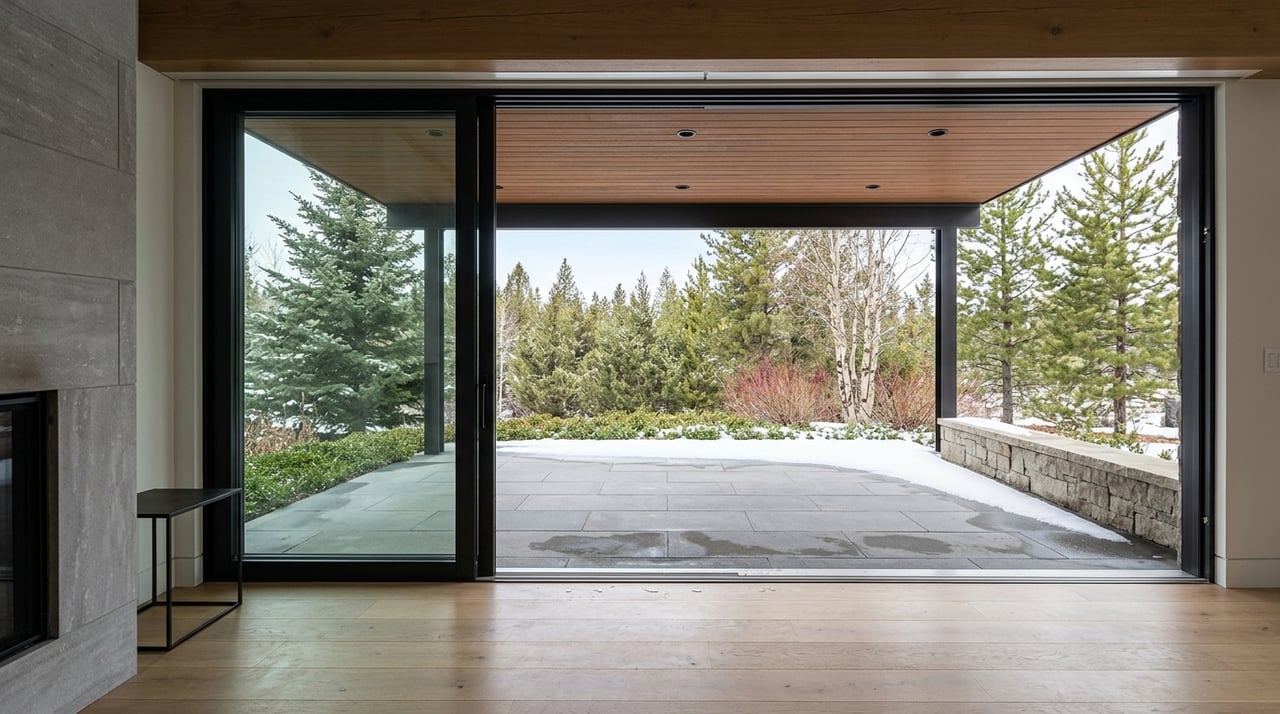
Downtown Jackson Vs West Bank: Key Differences
May 21, 2026
May 21, 2026
Trying to choose between Downtown Jackson and the West Bank? At first glance, both put you close to the Jackson Hole lifestyle you may want, but they offer very different ways of living day to day. If you are weighing convenience, privacy, property style, or long-term fit, this guide will help you compare the two with more clarity. Let’s dive in.
Downtown Jackson is the town’s mixed-use, pedestrian-centered core. Official planning documents describe the Town Square district as the emotional, physical, and economic heart of the community, with a strong focus on walkability, public spaces, and a setting where the automobile is secondary.
The West Bank, by contrast, is planned as a rural district west of the Snake River. Rather than one continuous town center, community uses are concentrated into interior nodes such as Wilson, the Aspens, and Teton Village. That distinction shapes everything from your commute to your daily routine.
If you want a more walkable lifestyle, Downtown Jackson stands out. The Town of Jackson says its free shuttle serves most hotels, galleries, shops, and restaurants within town limits, and rides that start and end within Jackson town limits are free. The shuttle runs every 30 minutes, which supports a more car-light routine.
Parking is also more tightly managed downtown. Public parking includes a garage about five blocks from Town Square, downtown streets are limited to 3-hour parking year-round, and winter overnight street parking is prohibited. In practical terms, downtown rewards people who are comfortable walking and planning around parking rules.
The West Bank is still connected to town, but the lifestyle is less centered on walking from place to place. County planning for the Westbank district supports alternate modes of transportation along Highway 390, and Teton County maintains a West Bank Pathway Route.
Transit is part of the picture too. An official START route-plan example shows a trip from the Wilson/Nora’s Village Road Transit Center to the Downtown Transfer Point in about 20 minutes on that example run. Even so, the West Bank is generally more dependent on a car, shuttle, or planned trip between activity centers than downtown Jackson.
Downtown Jackson is designed for a mixed-use lifestyle. Planning documents for the Town Square and CBD emphasize a pedestrian-oriented environment with lodging, retail, residential uses, and guest services concentrated together.
That means your day can feel more spontaneous. Grabbing a meal, running errands, or enjoying public spaces can often happen without much advance planning. If convenience and energy matter most, downtown has a clear edge.
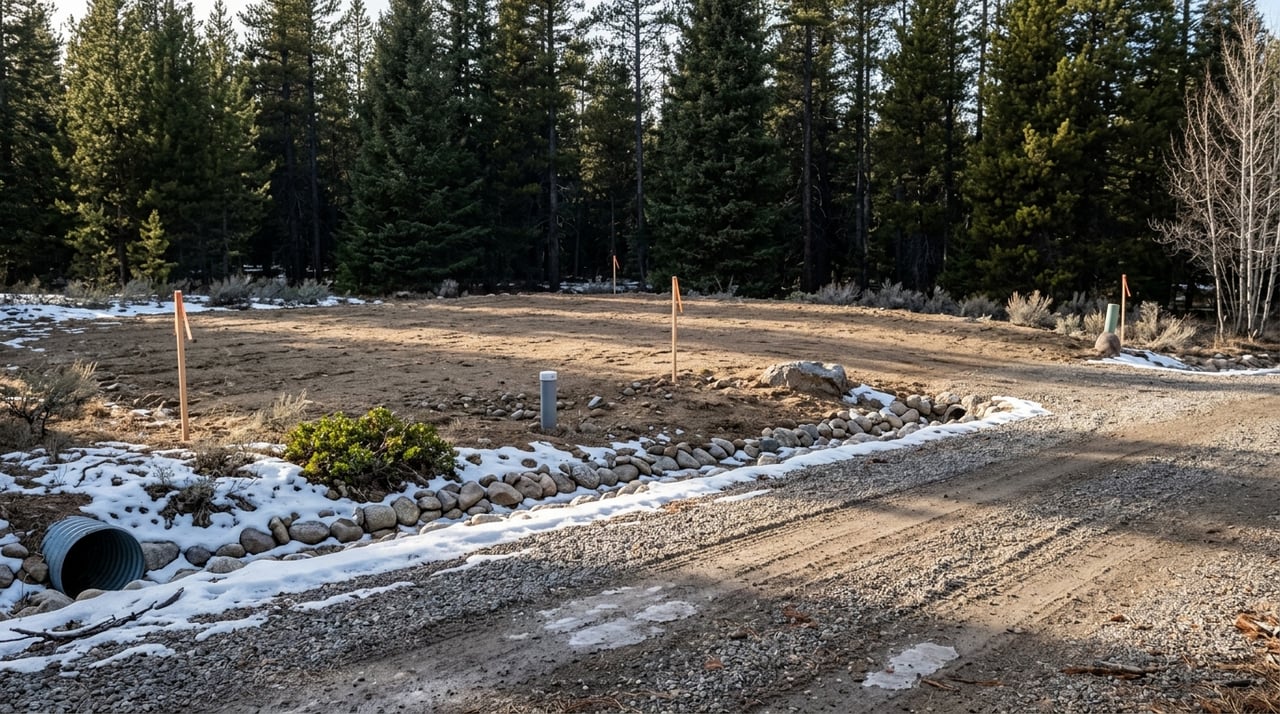
The West Bank has a different character. County plans describe it as rural and conservation-driven, with priorities that include wildlife habitat, scenic vistas, and concentrating community needs into places like Wilson, the Aspens, and Teton Village.
That creates a more distributed lifestyle. Amenities are available, but they are clustered in specific nodes rather than stretching continuously along the corridor. If you value a quieter setting and a stronger sense of separation between home and activity centers, the West Bank may feel like a better fit.
Downtown Jackson has historically developed at a smaller scale. Earlier planning documents describe central Jackson residential areas as primarily detached dwellings on lots of about 7,500 square feet, while current Town Square and CBD plans favor 2- to 3-story buildings, urban street walls, mixed use, and upper-floor residential or lodging.
The result is a housing pattern that tends to feel more compact and lower-maintenance. If you prefer an in-town setting with easier access to services and a more urban form, downtown may align well with your goals.
The West Bank is less uniform. The district plan describes the area as rural, with limited residential development potential and a modest rural character, but the property pattern changes by node.
In Wilson, planning calls for a town-style pattern with generally 50-by-150-foot lots and detached or duplex character with pedestrian access. In the Aspens, parts of the district already include clustered multifamily development at about 9 units per acre, while other nearby areas are expected to follow a detached-home pattern. In broad terms, the West Bank offers a wider mix of detached homes, duplexes, and clustered multifamily options in select areas.
For many buyers, school attendance areas are an important part of the search. Teton County School District boundaries change by street, but many downtown Jackson addresses fall into Jackson Elementary.
Jackson Hole Middle School and Jackson Hole High School serve all Teton County middle and high school students. That means the biggest attendance-area differences usually matter most at the elementary level.
On the West Bank, attendance areas can be more address-specific. Wilson Elementary serves Highway 22 west of Coyote Canyon Road to the Wyoming-Idaho border and Highway 390 to Moose, while Colter Elementary serves areas south of Highway 22 and east of Coyote Canyon Road within its mapped boundaries.
For you as a buyer, the practical point is simple: on the West Bank, school assignment is more likely to vary by micro-location. If that matters for your move, it is worth checking the exact property address early in your search.
If ownership flexibility is part of your decision, downtown may deserve a closer look. The CBD plan states that the Lodging Overlay is the only area within town where short-term lodging uses are desirable, and the Town of Jackson regulates properties inside and outside the overlay differently.
That does not mean every downtown property works the same way, but it does suggest that downtown is generally more accommodating than many West Bank locations when short-term lodging use is part of the conversation.
On the West Bank, district plans for Wilson and the Aspens state that lodging is not appropriate or that additional lodging is not appropriate. If you are comparing homes based on personal use, part-time occupancy, or future flexibility, this difference can be meaningful.
Because rules can vary by exact property and district context, this is one of those topics where a location-specific review matters more than a broad assumption.
The best choice often comes down to how you want your life to feel once you own the property. Downtown Jackson is usually the better match if you want walkability, mixed-use energy, easier day-to-day convenience, and a more compact in-town setting.
The West Bank is often the stronger fit if you want a quieter rhythm, more emphasis on scenery and open space, and a lifestyle centered around distinct places such as Wilson, the Aspens, or Teton Village. It is also important to remember that the West Bank is not one single product. The experience can change meaningfully based on the exact address.
For many luxury buyers, second-home owners, and relocation clients, that nuance is where the real decision gets made. A property may look appealing online, but the better question is whether the location supports the lifestyle, access, and ownership goals that matter most to you.
If you are comparing Downtown Jackson with the West Bank and want guidance tailored to your goals, property type, and preferred lifestyle, Sherry Messina can help you evaluate the options with clear local insight.
Trust her to guide you through Jackson Hole’s luxury real estate with expert insight, bold negotiation, and unmatched dedication. With her at your side, your buying or selling journey becomes strategic, seamless, and rewarding.