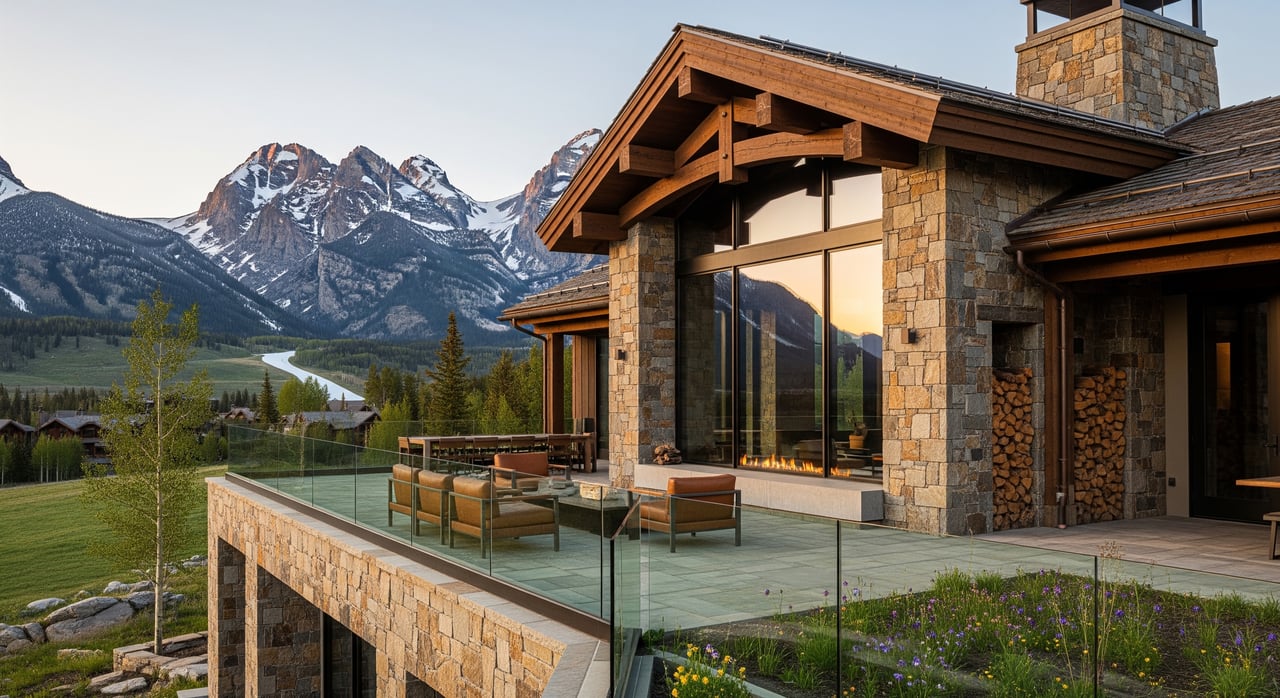
Year-Round Teton Village Slopeside Living Guide
February 5, 2026
February 5, 2026
Waking up to first tracks outside your door is a rare kind of luxury. If you’ve dreamed of clicking into your skis and gliding to the lift, Teton Village offers that reality with an alpine lifestyle that shifts beautifully across the year. At the same time, true slopeside living comes with unique rhythms, ownership responsibilities, and local rules you should understand. This guide walks you through the seasons, daily practicalities, property types, and what it really takes to live year-round at the base of Jackson Hole Mountain Resort. Let’s dive in.
Teton Village sits at the base of Jackson Hole Mountain Resort, where the mountain’s lift network and on-mountain services shape daily life. With roughly 4,100 feet of vertical rise and a summit above 10,000 feet, the terrain creates a real alpine experience and extended-season skiing at higher elevations. When you live slopeside, those stats translate into convenience, from quick lift access to easy breaks back at home.
You can expect a village core designed around resort living. Many buildings offer ski rooms, gear storage, and walkable access to restaurants and base lodges. Social energy peaks on weekends and holidays, while midweek mornings often feel quieter and more local.
Jackson Hole Airport is your gateway to the valley. Typical drive times to Teton Village run about 20 to 40 minutes depending on conditions. The town of Jackson is usually a 15 to 25 minute drive from the village, which makes dining, shopping, and services convenient.
Mountain weather can stretch travel times. Regional snow-clearing prioritizes access to the resort and airport, but you should still plan for storm days with extra time and backup essentials. Owners often keep vehicles in covered parking or garages to simplify winter starts.
This is the core season, with full ski and snowboard operations, active ski patrol, and avalanche mitigation at the resort. Lift lines can be busy during peak times, and the après-ski scene centers around base lodges and village restaurants. Deep snowpack supports ski-in and ski-out convenience in many developments, and heated paths or covered access are common in higher-end buildings.
Spring brings a mix of lingering snow at higher elevations and early hiking or biking lower down. The village often feels calmer, with fewer visitors and some reduced business hours. You might find the shoulder season perfect for enjoying the mountain at an easier pace.
Summer swaps skis for hiking boots and bikes. You’ll have easy access to trail networks, guided adventures, and the region’s long daylight hours. The village hosts warm-weather gatherings, restaurants run near full service, and the visitor profile shifts to families and nature travelers.
Fall is the quietest stretch, prized by many locals for color changes and wildlife viewing. Visitor numbers dip, and some businesses pause operations for maintenance before winter. If you value solitude and crisp days, fall can be your favorite season in Teton Village.
You’ll find single-family homes and estates, townhomes, full-ownership condominiums, fractional offerings, and condo-hotel residences. Many properties are part of HOAs that manage exterior maintenance, snow removal, common areas, and sometimes rental programs or shuttle access. Review each association’s rules, services, reserves, and any special assessments before you buy.
Underground or covered parking is common, while surface and guest parking can be limited during peak periods. Private garages are valued for cold starts and snow days. Look for well-designed gear storage, ski rooms, and easy routes to lifts.
Mountain homes are built for snow loads and freeze-thaw conditions. Roof maintenance, timely snow shedding, and reliable heating are essential. Energy usage rises in winter at this elevation, so understand fuel type, insulation, and recent system upgrades. If you plan to work remotely, verify broadband speeds at the specific address.
Resort operations include ski patrol and avalanche mitigation, but you should still be mountain-aware. Backcountry terrain near the area has inherent hazards, and some properties may be closer to steep slopes or forest edges. Wildfire risk exists on surrounding lands, and building siting and materials can affect a property’s risk profile.
Wildlife is part of everyday life here. Bears, moose, and elk are common. Plan for wildlife-proof trash, careful food storage, and safe practices with pets. Emergency care is available in the valley, with full-service hospital care in Jackson and access to air medical transport for serious incidents.
Many owners participate in professional property management or hotel rental programs, subject to HOA rules and local regulations. Rental income tends to be seasonal, with strong winter demand and varied summer and shoulder occupancy. Model income conservatively and understand how lodging taxes and remittance processes apply.
Before you buy, confirm current permitting, licensing, and occupancy limits with local codes. Rules can change, so it pays to review them with your advisor and management partner.
Resort living includes year-round operations. Association dues can be substantial because they fund staff, snow removal, common areas, and amenities. Insurance may be higher for mountain properties, especially with coverage for winter-related perils like ice, frozen pipes, or roof loads. Utilities and heating will vary based on the home’s systems and efficiency.
Wyoming does not levy a state income tax, a financial plus for many buyers. Property tax rates and assessments are set locally, and Teton County reflects high market values in resort areas. Build a budget that accounts for utilities, insurance, HOA dues, seasonal maintenance, and any rental management fees.
For health care, the nearest full-service hospital is in Jackson. Emergency services operate in the valley, including air transport for critical needs. Grocery runs, pharmacy stops, and broader retail are typically in Jackson, which is an easy drive in most conditions.
If you have school-age children, note that Teton Village has limited K–12 infrastructure. Check district boundaries, transportation options, and commute times before you commit. For everyday convenience, many residents plan weekly errands around weather windows and resort traffic patterns.
If you want ski mornings outside your door and summer trail access without a commute, Teton Village delivers. You trade for that access with higher carrying costs, seasonal rhythms, and rules that protect the mountain environment. Many second-home owners and full-time residents consider the balance well worth it for the lifestyle, views, and tight connection to the outdoors.
When you’re ready to explore your options, work with a local advisor who understands both the market and the way of life you are buying into. For confidential guidance tailored to your goals, connect with Sherry Messina.
Trust her to guide you through Jackson Hole’s luxury real estate with expert insight, bold negotiation, and unmatched dedication. With her at your side, your buying or selling journey becomes strategic, seamless, and rewarding.